Introduction
Fire protection is one of the most important aspects of building management, regardless of whether the property is residential, commercial, industrial, or institutional. While installing a fire protection system is a significant step toward ensuring safety, the responsibility does not end after installation. Continuous maintenance is essential to keep every component functioning properly. This is where Bảo trì hệ thống PCCC plays a vital role.
Bảo trì hệ thống PCCC refers to the regular maintenance and inspection of fire protection systems to ensure they remain reliable and effective. Fire alarms, sprinkler systems, extinguishers, emergency lighting, smoke detectors, and other safety equipment require periodic checks to identify wear, damage, or malfunction before an emergency occurs.
Proper maintenance not only protects lives and property but also minimizes operational disruptions, extends equipment lifespan, and ensures compliance with safety regulations. Understanding the importance of Bảo trì hệ thống PCCC helps organizations develop proactive safety strategies rather than reacting after an incident has already occurred.
Understanding Bảo trì hệ thống PCCC
A fire protection system consists of several interconnected components designed to detect, control, and suppress fires. These systems work together to provide early warning, assist in evacuation, and reduce property damage.
Bảo trì hệ thống PCCC involves inspecting, testing, cleaning, repairing, and replacing various components to maintain their operational efficiency. Maintenance activities ensure that each device functions correctly whenever an emergency arises.
The process generally includes:
- Inspecting fire alarm control panels
- Testing smoke and heat detectors
- Examining sprinkler systems
- Checking fire pumps
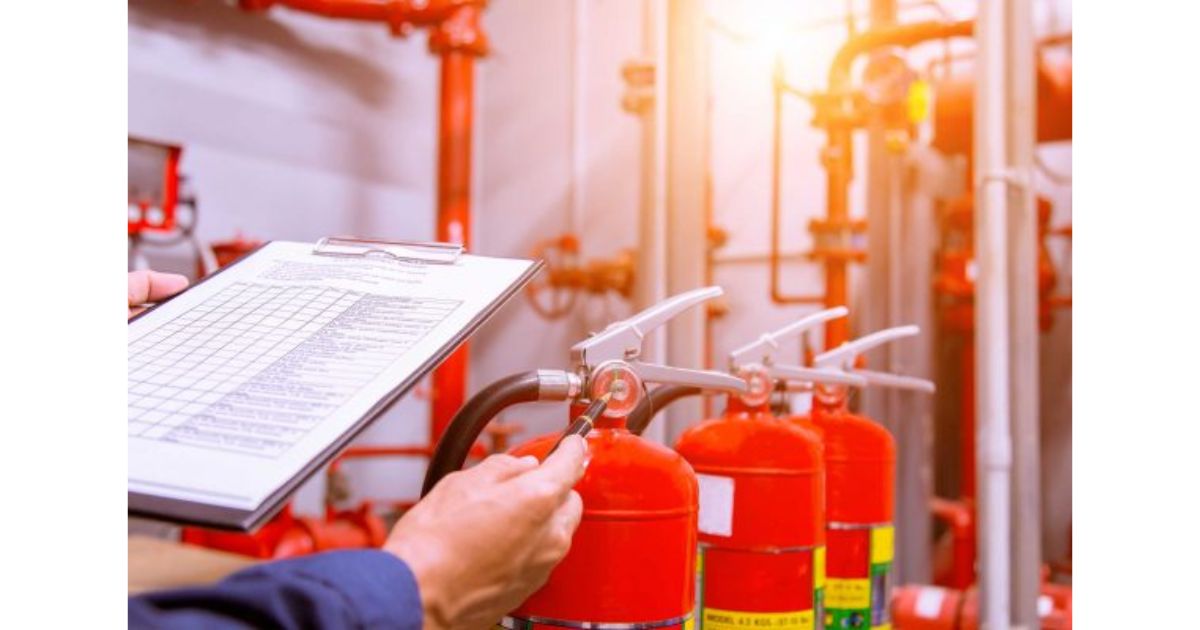
- Inspecting fire extinguishers
- Testing emergency lighting
- Verifying emergency exit signs
- Inspecting fire hydrants
- Testing communication systems
- Reviewing maintenance records
Each of these tasks contributes to a reliable fire protection system.
Why Fire System Maintenance Matters
Many people assume that once a fire protection system has been installed, it will continue working indefinitely. However, like any mechanical or electronic equipment, fire safety systems experience wear over time.
Environmental conditions such as dust, humidity, vibration, corrosion, temperature fluctuations, and accidental damage can affect system performance. Batteries lose capacity, sensors become contaminated, valves may seize, and electrical components may deteriorate.
Without regular Bảo trì hệ thống PCCC, these hidden problems can remain unnoticed until an actual emergency occurs. Unfortunately, a fire emergency is the worst possible time to discover equipment failure.
Routine maintenance provides confidence that every component will operate exactly as intended.
Improving Fire Detection
Early detection is one of the most effective ways to minimize fire damage. Smoke detectors and heat detectors are responsible for identifying dangerous conditions before flames spread throughout a building.
Over time, detectors can accumulate dust or become less sensitive due to aging. Maintenance professionals clean, test, and calibrate detectors to ensure they respond appropriately to fire conditions.
Regular inspections help prevent both false alarms and detection failures, creating a more dependable fire safety system.
Maintaining Reliable Alarm Systems
Fire alarms alert building occupants to evacuate immediately when danger is detected.
An alarm system includes numerous interconnected devices, including:
- Alarm panels
- Manual call points
- Sounders
- Visual warning devices
- Communication modules
- Backup batteries
Bảo trì hệ thống PCCC ensures each component communicates properly and activates instantly during emergencies.
Testing also confirms that backup power supplies continue functioning during electrical outages.
Ensuring Sprinkler Systems Operate Properly
Automatic sprinkler systems are among the most effective methods of controlling fires before they become uncontrollable.
However, sprinkler systems contain many components that require maintenance, including:
- Pipes
- Valves
- Pressure gauges Bảo trì hệ thống PCCC
- Sprinkler heads
- Water tanks
- Pumps
Corrosion, sediment buildup, mechanical damage, or accidental obstruction can reduce system effectiveness.
Routine inspections identify these issues before they compromise fire suppression capabilities.
Protecting Fire Pumps
Fire pumps provide the water pressure necessary for sprinkler systems and hydrants.
Without adequate pressure, even the best sprinkler network may fail to suppress a fire effectively.
Bảo trì hệ thống PCCC includes regular pump testing, lubrication, pressure verification, electrical inspections, and operational testing.
Keeping pumps in excellent condition significantly improves emergency response capabilities.
Extending Equipment Lifespan
Fire protection equipment represents a significant investment.
Routine maintenance helps maximize this investment by reducing premature equipment failure.
Instead of replacing expensive components unexpectedly, organizations can address minor issues before they become major problems.
Preventive maintenance often includes:
- Cleaning
- Lubrication
- Tightening connections
- Replacing worn parts
- Battery replacement
- Software updates
- Calibration
These simple procedures can substantially extend equipment life.
Supporting Legal Compliance
Many countries require buildings to maintain operational fire protection systems through scheduled inspections and maintenance.
Failure to perform Bảo trì hệ thống PCCC may result in:
- Safety violations
- Regulatory penalties
- Failed inspections
- Increased legal liability
- Temporary building closure
Maintaining detailed maintenance records demonstrates a commitment to fire safety and regulatory compliance.
Reducing Financial Losses
Fire incidents can result in enormous financial losses beyond physical damage.
Organizations may experience:
- Business interruption
- Equipment replacement costs
- Production downtime
- Data loss
- Customer dissatisfaction
- Higher insurance expenses
Proper maintenance significantly reduces these risks by ensuring rapid fire detection and suppression.
Even preventing one major fire can justify years of maintenance costs.
Increasing Occupant Confidence
Employees, visitors, customers, and residents feel safer when they know fire protection systems receive regular maintenance.
Visible inspection tags, properly maintained extinguishers, functioning emergency lighting, and operational alarm systems demonstrate an organization’s commitment to safety.
This confidence contributes to a more secure working and living environment.
Supporting Emergency Evacuation
Fire safety involves more than detecting and extinguishing fires.
Successful evacuation depends on several supporting systems, including:
- Emergency lighting
- Exit signs
- Public address systems
- Smoke control systems
- Emergency communication equipment
Bảo trì hệ thống PCCC ensures these systems remain operational, helping occupants leave the building safely during emergencies.
Preventing Small Problems from Becoming Major Failures
Minor issues often develop gradually.
For example:
- Slight corrosion may eventually cause pipe leaks.
- Weak batteries may eventually fail completely.
- Dust accumulation may reduce detector sensitivity.
- Loose wiring may interrupt alarm communication.
Routine inspections identify these issues early, allowing inexpensive repairs before major failures occur.
Preventive maintenance is almost always less costly than emergency repairs.
Improving Insurance Benefits
Insurance providers often recognize the value of well-maintained fire protection systems.
Organizations that perform regular Bảo trì hệ thống PCCC may experience benefits such as:
- Reduced insurance risks
- Faster claim processing
- Improved documentation
- Better risk assessments
Maintenance records demonstrate responsible property management and may strengthen insurance claims following an incident.
Keeping Up with Technological Advances
Modern fire protection technology continues evolving.
New systems include:
- Intelligent smoke detectors
- Networked fire alarm panels
- Remote monitoring
- Digital maintenance records
- Smart sensors
- Automated diagnostics
During maintenance visits, technicians may recommend upgrades that improve system performance and overall safety.
Regular maintenance provides opportunities to modernize aging equipment.
Building a Strong Safety Culture
Fire safety should become part of an organization’s overall culture rather than a one-time installation project.
Scheduling regular Bảo trì hệ thống PCCC encourages employees to take fire prevention seriously.
Maintenance activities often coincide with:
- Fire drills
- Safety training
- Equipment demonstrations
- Emergency planning
- Risk assessments
Together, these efforts strengthen organizational preparedness.
Choosing Qualified Maintenance Professionals
Professional maintenance providers possess specialized knowledge and equipment necessary for comprehensive inspections.
Experienced technicians understand:
- Fire safety standards
- System diagnostics
- Equipment compatibility
- Testing procedures
- Repair techniques
- Documentation requirements
Working with qualified professionals ensures maintenance is performed thoroughly and consistently.
Creating an Effective Maintenance Schedule
Every building has unique maintenance requirements based on its size, occupancy, equipment, and fire risks.
A well-planned maintenance schedule may include:
- Daily visual inspections
- Weekly equipment checks
- Monthly functional testing
- Quarterly inspections
- Semi-annual servicing
- Annual comprehensive testing
Following a structured schedule helps ensure that no critical component is overlooked.
Conclusion
Bảo trì hệ thống PCCC is an essential investment in long-term fire safety. Fire protection systems can only perform effectively when every component is inspected, tested, cleaned, and maintained on a regular basis. Preventive maintenance reduces equipment failures, extends system lifespan, supports regulatory compliance, minimizes financial losses, and most importantly, protects human life.
Organizations that prioritize routine maintenance create safer environments for employees, customers, residents, and visitors. Rather than waiting for equipment to fail during an emergency, proactive Bảo trì hệ thống PCCC ensures every fire protection system remains ready to respond when it is needed most. Consistent maintenance is not simply a technical requirement—it is a fundamental responsibility that supports reliable fire protection and long-term building safety.